
Is Fastrak Lane Tolls A Scam? Unveiling The Truth Behind The Controversy - One of the primary concerns drivers have about Fastrak lane tolls is the cost. While toll prices vary depending on location and time of day, they are generally designed to reflect the value of using premium lanes. Dynamic pricing ensures that tolls adjust based on traffic conditions, encouraging smoother flow during peak hours. Several misconceptions contribute to the perception that Fastrak lane tolls might be a scam. These include:
One of the primary concerns drivers have about Fastrak lane tolls is the cost. While toll prices vary depending on location and time of day, they are generally designed to reflect the value of using premium lanes. Dynamic pricing ensures that tolls adjust based on traffic conditions, encouraging smoother flow during peak hours.
Fastrak is just one of many electronic toll collection systems in the United States. While it operates primarily in California, similar systems exist in other states. Comparing Fastrak to alternatives like E-ZPass or SunPass can help drivers choose the best option for their needs.
In this comprehensive guide, we will explore the Fastrak lane toll system in detail, addressing common misconceptions and providing clarity on its operations. Whether you're a frequent commuter or an occasional traveler, this article aims to equip you with the knowledge you need to navigate Fastrak lanes confidently.
The Fastrak system was first implemented in the San Francisco Bay Area as part of the Bay Area Toll Authority's efforts to modernize toll collection. Over time, it has evolved into a statewide system, with millions of users relying on it daily. Understanding its origins and development can help dispel myths about its legitimacy.
Scams related to Fastrak typically involve third-party vendors offering unauthorized services or products. For instance, some websites may sell counterfeit transponders or promise discounts that are not officially sanctioned. Always use the official Fastrak website or authorized partners to avoid falling victim to fraud.
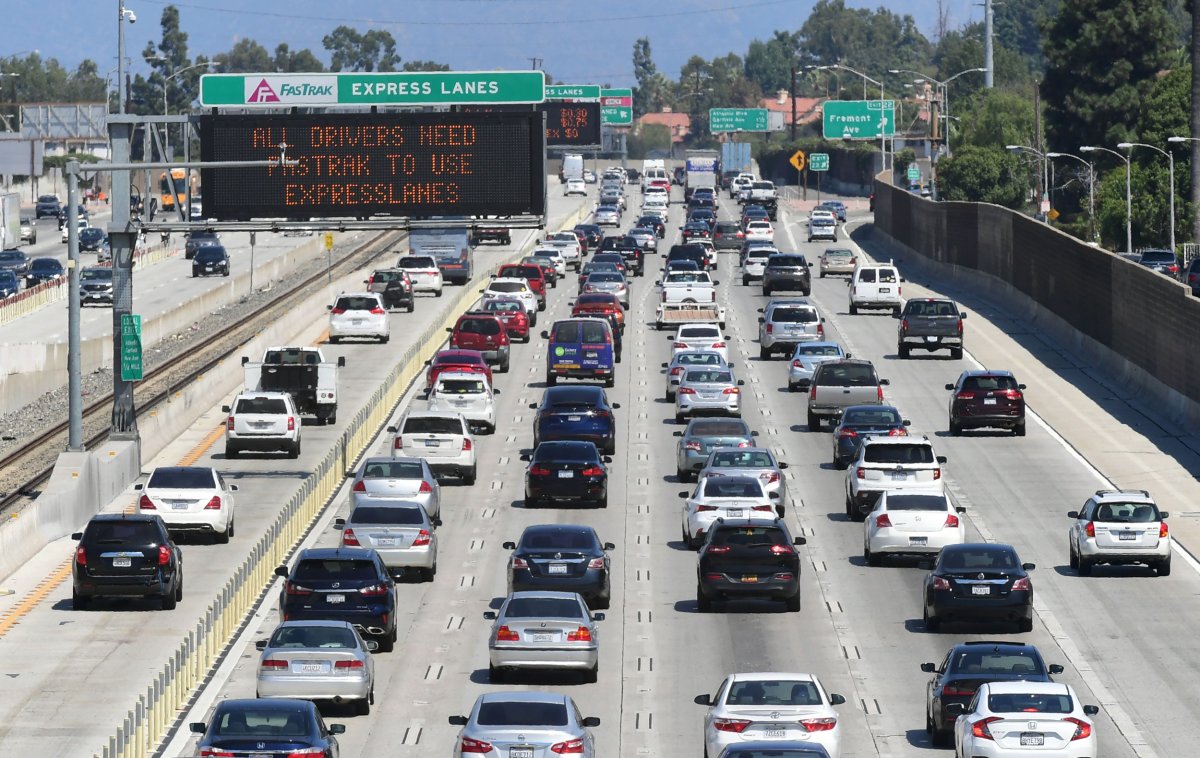
These FAQs provide valuable insights into how Fastrak operates and address common concerns.
Fastrak lane tolls operate through a combination of transponders, license plate recognition, and online accounts. When drivers pass through a Fastrak lane, the system automatically detects their transponder or license plate and deducts the appropriate toll from their account. This process ensures seamless travel without stopping at toll booths.
Setting up a Fastrak account is straightforward and can be done online or in person. Here are the key steps:

Fastrak lane tolls have become an integral part of modern transportation systems in several states. However, as technology evolves, so do concerns about transparency and fairness. Many drivers worry about hidden fees, unexpected charges, and potential scams. Understanding how Fastrak works can help drivers make informed decisions about using these lanes.
Drivers can manage their budgets effectively by monitoring their Fastrak accounts regularly and understanding the pricing structure.
Drivers across the United States have been increasingly hearing about Fastrak lane tolls, but concerns persist about whether these systems are legitimate or a scam. With rising fuel costs and complex tolling systems, it's understandable that motorists want to ensure they're not being taken advantage of. This article dives deep into the Fastrak lane toll system to separate fact from fiction.
Here are answers to some of the most common questions about Fastrak lane tolls: